

close
Choose Your Site
Global
Social Media


Views: 0 Author: Site Editor Publish Time: 2026-06-21 Origin: Site


Removing deeply embedded grime often feels like an endless, frustrating battle. Property managers, industrial operators, and homeowners alike waste countless hours trying to scrub away tough exterior spots. Unfortunately, traditional stain removal relies heavily on manual mechanical friction and harsh caustic chemicals. These outdated approaches often degrade expensive surfaces permanently over time. They also inflate manual labor costs and expose workers to dangerous chemical fumes, while yielding highly inconsistent visual results. Upgrading your cleaning arsenal might represent the necessary step to solve these ongoing issues. This article analyzes whether switching to high-pressure equipment delivers a measurable improvement in cleaning efficiency, worker safety, and overall stain eradication. We provide an evidence-based comparison to help you determine if modern pressure tools align perfectly with your specific property maintenance requirements. You will discover practical strategies, equipment comparisons, and actionable insights to eliminate demanding stains effectively without compromising structural surface integrity at all.
Efficacy: High-pressure spray guns utilize kinetic energy (measured in PSI and GPM) to break the mechanical bonds of stubborn stains, outperforming manual scrubbing in 80%+ of exterior applications.
Versatility: A multi-function high-pressure spray gun mitigates the risk of surface damage by allowing operators to adjust spray angles and pressure for different materials.
Cost-to-Value: While initial equipment costs are higher, the reduction in labor hours and chemical dependencies often yields a positive ROI within the first few heavy-duty uses.
Risk Awareness: High pressure is not a universal cure; delicate surfaces require specific nozzle configurations and technique to prevent etching or water intrusion.
Chemical solvents often reach a point of rapid diminishing returns. You apply a harsh industrial degreaser and wait patiently. Extended soak times rarely translate into significantly better cleaning results. Instead, toxic chemical runoff creates severe environmental compliance risks. Local municipalities heavily penalize improper disposal of caustic wash water. Furthermore, chemical solvents routinely fail to penetrate porous materials deeply. Concrete surfaces and brick walls trap stains at a microscopic, molecular level. Surface-level cleaning chemicals simply cannot reach these embedded contaminants effectively.
Manual scrubbing creates a massive, exhausting friction bottleneck. Traditional stiff wire brushes fail completely against molecularly bonded stains. Oxidized exterior paint, deeply baked-on grease, and thick root-bound algae resist simple physical abrasion. You can scrub furiously for hours without making a visible dent. The extreme physical effort required makes traditional methods highly labor-intensive.
This dynamic creates a strict operational bottleneck for frequent property maintenance projects. Large-scale facility cleaning becomes nearly impossible under these restrictive conditions. You waste substantial money on excessive manual labor hours. Maintenance teams suffer from severe physical fatigue and repetitive strain injuries. Ultimately, scaling manual cleaning operations limits your overall productivity heavily. The old methods simply cannot keep pace alongside modern facility demands.
Let us evaluate the core underlying mechanisms of action. Traditional cleaning relies almost entirely on slow chemical dissolution. You depend on strong acids or bases to slowly eat away exterior grime. Conversely, a High-Pressure Spray Gun utilizes immediate kinetic force. It harnesses immense water volume displacement to blast stubborn dirt away instantly.
Speed and coverage metrics differ dramatically between these two specific approaches. Imagine cleaning a heavily stained 100-square-foot porous concrete surface. Manual scrubbing requires hours of grueling, back-breaking work. A robust high-pressure system finishes the exact same job in mere minutes. You recover valuable operational time immediately.
Safety and environmental compliance also change significantly. Handling volatile organic compounds (VOCs) requires strict safety gear protocols. Harsh corrosives pose severe respiratory and skin exposure risks. Pressurized water eliminates many of these toxic chemical hazards entirely. However, operators must still wear protective safety eyewear and sturdy footwear during equipment operation.
Many people assume pressurized water always damages building surfaces. This represents a widespread, fundamental misconception in the cleaning industry. Traditional stiff wire brushes actually cause extensive permanent micro-abrasions. They scratch protective sealants and clear coatings irreversibly. These tiny scratches then collect even more dirt later. Properly calibrated water jets clean surfaces deeply without scratching them.
Evaluation Metric | Traditional Manual Scrubbing | High-Pressure Equipment |
|---|---|---|
Primary Mechanism | Chemical dissolution and physical friction | Kinetic force and rapid volume displacement |
Time per 100 sq. ft. | Approximately 2 to 3 hours | Approximately 10 to 15 minutes |
Environmental Risk | High (toxic chemical runoff into drains) | Low (predominantly clear water usage) |
Surface Damage Risk | High (micro-abrasions from stiff brushes) | Low (when properly calibrated and operated) |
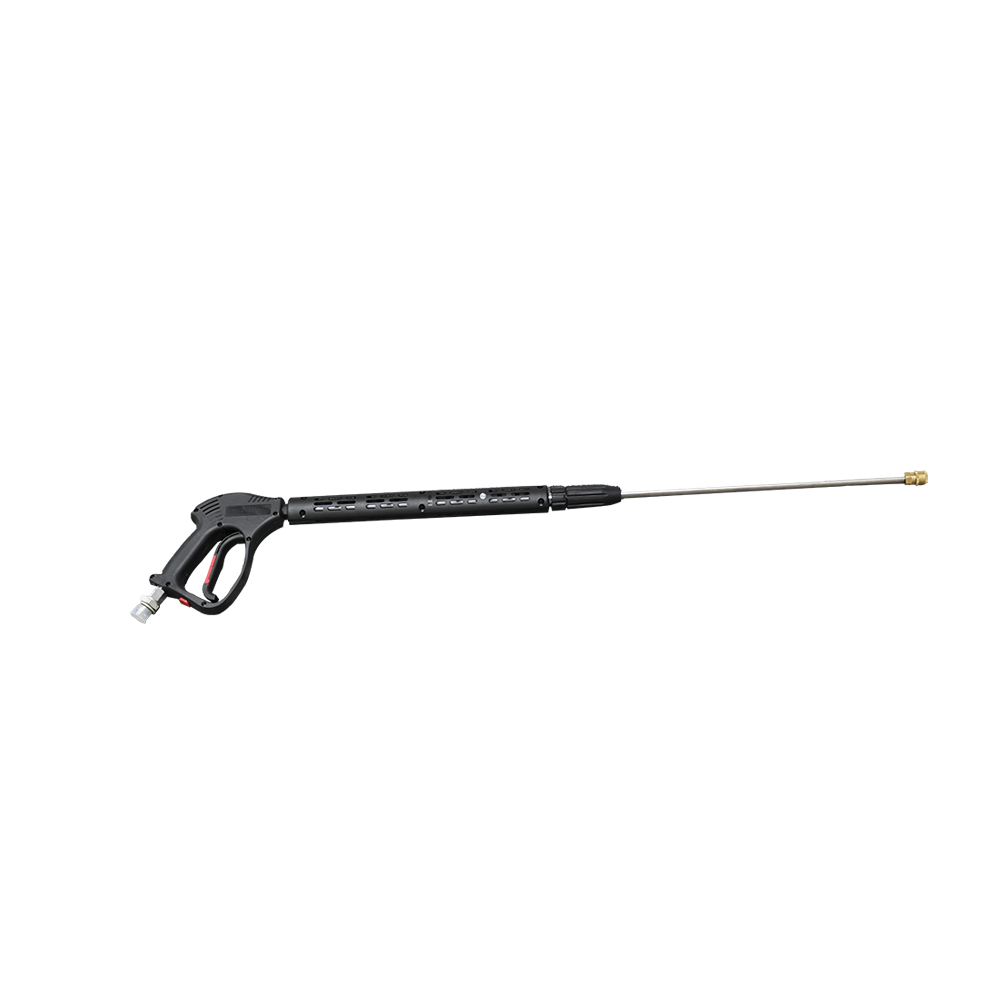
Certain environmental stains absolutely refuse to budge under normal manual conditions. Petrochemicals pose a massive, recurring challenge for property managers. Motor oil, thick grease, and heavy hydraulic fluid soak into concrete pores quickly. Topical degreasers only manage to clean the uppermost visible layer. Pressurized water effectively lifts oil outward from deep inside these microscopic pores. You can combine it alongside a mild, eco-friendly surfactant for incredible results. It flushes out the embedded contaminants completely.
Biological growth demands a much more aggressive, structural approach. Dark mold, slippery mildew, and crusty lichen latch firmly onto siding and wooden fences. Bleach-based surface wiping merely removes the top visible layer temporarily. The root structures remain hidden safely below the surface. High pressure physically blasts away these deep organic roots entirely. This prevents the rapid, frustrating regrowth you normally experience after chemical wiping alone.
Oxidation and efflorescence present another unique material problem. Masonry often develops a chalky, white mineral residue over time. Exterior metals form stubborn, dull oxidized layers due to weather exposure. Traditional scrubbing typically just smears these powdery substances around endlessly. A focused, high-velocity water jet completely strips away the powdery oxidation. It leaves the raw underlying material perfectly clean and ready for fresh treatment.
Basic, cheap pressure washers often fail due to severe single-use limitations. They apply one rigid pressure level to every single surface type. This inflexible approach inevitably leads to accidental property damage. You solve this varied surface tolerance problem by upgrading your core equipment. A Multi-Function High-Pressure Spray Gun adapts to any situation seamlessly.
Nozzle technology ultimately dictates your cleaning success or failure. Interchangeable tips allow operators to precisely control the exact spray pattern.
0-Degree Nozzle: Creates a highly concentrated pinpoint blast. Use it strictly for heavy mud clumps or tiny spot treatments on hard concrete.
15-Degree Nozzle: Produces a narrow, powerful fan. It works perfectly for stripping heavy, caked-on dirt from solid driveways.
40-Degree Nozzle: Generates a wide, incredibly gentle spray. Use this specifically for delicate washing tasks involving glass windows or painted vehicles.
Soap Applicator Mode: Lowers the internal pressure specifically to siphon and apply liquid cleaning detergents evenly.
Pressure modulation makes the tool a truly comprehensive facility asset. You can switch directly from high-pressure blasting to low-pressure soft-washing instantly. High pressure easily cleans highly durable aggregate driveways. Low pressure safely cleans fragile vinyl siding without denting the plastic panels. This dynamic, daily versatility maximizes your overall return on investment rapidly.
High pressure does not represent a magical universal cure-all. Some highly delicate substrates simply cannot withstand intense kinetic water force. Old masonry mortar will crumble and wash away under intense jets. Antique lead-based paint poses severe hazardous flaking risks if blasted. Natural softwoods will splinter heavily under narrow spray tips. Damaged automotive clear coats will peel further outward. You must use traditional, gentle hand-washing techniques for these fragile materials.
Sometimes, you need to deploy a strategic hybrid cleaning approach. High pressure does not eliminate the need for chemicals entirely. Stubborn industrial grease often requires a dedicated chemical pre-treatment first. You must allow for adequate dwell time before washing. The chemicals break down the heavy molecular bonds of the grease. Then, you deploy the pressurized gun for rapid, thorough extraction.
We must also transparently acknowledge common operator error risks. Misusing powerful industrial equipment carries real, expensive consequences.
Surface Etching: Holding the wand too close causes permanent gouges in soft concrete.
Wand Marks: Incorrect sweeping motions leave highly visible, zig-zag lines on driveways.
Water Intrusion: Poorly directed upward spray forces water inside electrical boxes or behind siding joints.
Proper operational training and correct physical technique remain absolutely essential to prevent these common mistakes.
Deciding to upgrade depends heavily on your specific maintenance demands. Consider the total volume and frequency of your cleaning tasks carefully. Do stubborn exterior stains present a recurring monthly or quarterly issue? If so, the initial capital expenditure easily justifies itself. You will save tremendous amounts of personal time and physical energy.
Think closely about your ongoing hourly labor expenses. Manual scrubbing drains tight maintenance budgets remarkably fast. Specialized, single-use cleaning chemicals also carry very high recurring price tags. Investing in robust pressure equipment significantly slashes these continuous operational costs. You achieve a highly positive return through dramatically increased daily efficiency.
Your next step requires a clear, actionable purchasing plan. Shortlist potential equipment based firmly on your exact PSI and GPM requirements. Evaluate the ideal machine power source for your specific location. Electric models suit indoor facility or residential use perfectly. Gas models offer immense, untethered power for remote industrial job sites. Always prioritize multi-function nozzle capabilities to handle your primary exterior use cases effectively.
High-pressure equipment fundamentally transforms exhausting heavy-duty maintenance tasks. It proves objectively more effective for cleaning porous surfaces and heavy grime accumulation. Kinetic water force simply blasts away deep-rooted dirt effortlessly. However, you must always match the water pressure correctly to the specific substrate. This careful calibration prevents costly accidental damage to highly delicate exterior materials.
We strongly advise modern buyers to prioritize multi-functionality when selecting new equipment. Interchangeable nozzles and easily adjustable pressure settings remain absolutely crucial features. They ensure the tool adapts perfectly to highly aggressive spot stain removal. Simultaneously, they allow for perfectly safe, routine preventative maintenance. Upgrading your core gear will ultimately streamline your entire facility cleaning workflow.
A: Pressurized water excels at lifting surface oil directly from concrete pores. However, deeply cured oil stains often leave a faint residual shadow behind. For absolute complete removal, you might need dedicated enzymatic cleaners or hot water extraction tools. The pressure gun performs the heavy lifting, but chemical synergy finishes the tough job.
A: Yes, you can wash vehicles safely if you use the correct pressure settings. Always attach the wide 40-degree nozzle for a gentle fan spray. Maintain a safe physical distance of at least two feet from the surface. Avoid spraying directly onto rubber weather stripping, fragile plastic trims, or chipped clear coat areas.
A: High pressure handles most common dirt entirely alone. However, stubborn organic growth or thick industrial grease greatly benefits from targeted cleaning solutions. Surfactants help break the heavy molecular bonds of the tough stain first. The pressurized water then flushes the loosened debris away efficiently. This synergy provides the absolute cleanest possible finish.
A: PSI (Pounds per Square Inch) measures the sheer surface stripping power. It actively breaks the strong mechanical bond between the stain and the surface material. GPM (Gallons per Minute) measures the total water flow volume. It determines exactly how quickly the water flushes the broken debris away safely. Both metrics remain crucial.


