

close
Choose Your Site
Global
Social Media


Views: 0 Author: Site Editor Publish Time: 2026-06-12 Origin: Site


Heavy machinery demands rigorous maintenance to stay operational. When you operate construction, agriculture, or mining equipment, inadequate cleaning leads to premature wear. Obscured fluid leaks often go unnoticed under thick grime. Costly downtime inevitably follows these neglected maintenance tasks. Standard commercial washers simply fail under this immense daily strain. They lack the sustained power to clear baked-on mud, hydraulic grease, and harsh materials efficiently. Using undersized equipment wastes precious labor hours and frustrates operators.
You need specialized, industrial-grade solutions to handle this relentless workload. This article provides a transparent, specification-driven framework for evaluating your heavy equipment cleaning options. We will help you confidently shortlist a High-Pressure Cleaning Pump capable of surviving true heavy-duty operational demands. You will learn how to balance flow rates, evaluate durable internal components, and choose the correct water temperature capabilities to protect your fleet effectively.
Flow over Pressure: For heavy mud and debris, Gallons Per Minute (GPM) is a more critical metric than Pounds per Square Inch (PSI).
Pump Architecture: Triplex plunger pumps are mandatory for daily, continuous commercial use; avoid axial cam pumps.
Material Integrity: A corrosion-resistant high-pressure pump (e.g., brass manifolds, ceramic plungers) is essential for handling harsh site water and chemical detergents.
Temperature Matters: Hot water systems are non-negotiable for equipment coated in hydrocarbons, grease, or hydraulic fluid.
Defining "heavy-duty" starts by analyzing your specific daily grime. You must clearly identify the primary contaminant coating your machinery. Industrial cleaning experts differentiate between volume-based debris and adhesion-based debris. Volume-based debris includes caked mud, heavy clay, and loose gravel. Adhesion-based debris involves stubborn substances like grease, hydraulic oil, and sticky exhaust soot. Each contaminant type requires a fundamentally different physical cleaning approach.
Next, you must calculate your expected usage frequency. Determine your planned run hours per week accurately. Systems running over 20 hours weekly demand robust industrial architectures. Weekend-use units simply cannot survive this relentless operational tempo. Parts will break, and motors will overheat rapidly.
Establish clear success criteria for your new equipment before shopping. Your operational goals should include the following milestones:
Reduced labor time per wash: Faster cleaning cycles keep expensive operators productive.
Lower total water consumption: Efficient machines use less water to move more dirt.
Zero damage to sensitive components: The washing process must never compromise hydraulic cylinder seals or delicate electrical harnesses.
Avoid the common procurement trap of chasing maximum pressure. High pressure does not automatically equal better cleaning power. Many buyers mistakenly assume a 5,000 PSI rating guarantees superior performance. We call this the "PSI Myth." Excessively high PSI introduces massive risks to your equipment. It can easily strip factory paint from metal. It scores sensitive metal cylinder surfaces instantly. It will quickly destroy rubber hydraulic lines and pneumatic hoses if the operator misjudges the distance.
Focus your attention on GPM instead. Think of GPM as your primary "flushing power." Earthmoving equipment gets buried under thick, heavy layers of dirt. High GPM physically pushes this heavy mass off the machine body. We recommend flow rates between 4.0 and 8.0 GPM for heavy construction gear. This high volume acts as the primary driver of your actual cleaning speed.
Use Cleaning Units (CU) to evaluate different machines objectively. The standard industry evaluation formula multiplies PSI by GPM to find your CU score. This simple calculation reveals the true working capacity of competing models.
Machine Type | PSI Rating | GPM Rating | Total Cleaning Units (CU) | Best Application |
|---|---|---|---|---|
Standard Commercial Unit | 4,000 PSI | 3.0 GPM | 12,000 CU | Light dirt, flat concrete surfaces |
High-Flow Mud Unit | 3,000 PSI | 5.0 GPM | 15,000 CU | Thick mud, heavy clay removal |
Industrial Fleet Washer | 3,000 PSI | 8.0 GPM | 24,000 CU | Massive earthmoving equipment |
As the table illustrates, a lower pressure machine with higher flow often delivers more effective cleaning power for heavy machinery. The higher flow machine clears mud significantly faster without damaging the underlying paint.
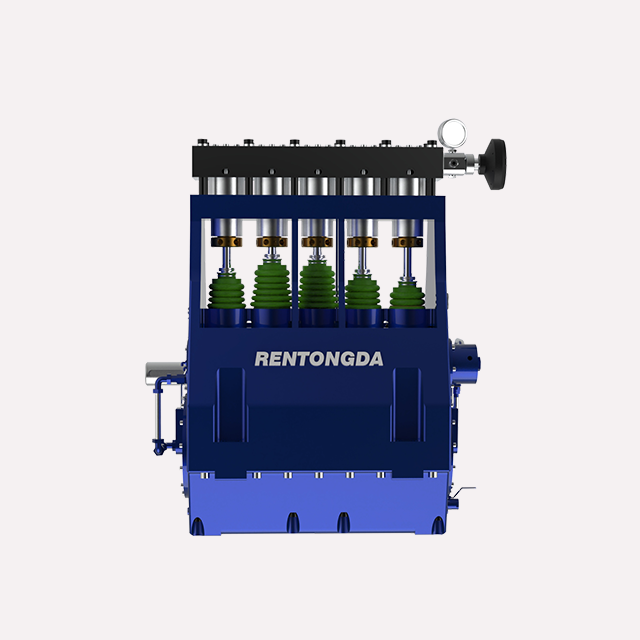
Pump architecture directly dictates equipment longevity. You generally face a choice between triplex plunger pumps and axial cam pumps. Make this selection very carefully.
Axial Cam Pumps: These units serve the prosumer market well. However, they possess a strictly limited lifespan in demanding commercial settings. They spin at high engine speeds and run inherently hot. Mechanics often find them completely non-rebuildable. Once internal bearings fail, you must replace the entire pump head.
Triplex Plunger Pumps: These pumps offer the true heavy-duty alternative. They operate at much slower RPMs and run significantly cooler. Qualified technicians can easily rebuild them when packing seals eventually wear out. This robust design remains the undisputed standard for any serious industrial application.
Material selection inside the pump head remains equally crucial. Harsh site water and aggressive chemical detergents degrade cheap metals rapidly. You need robust internal components to survive daily use. We highly recommend specifying a Corrosion-Resistant High-Pressure Pump for heavy fleet maintenance. Ensure the unit features forged brass manifolds rather than cheap aluminum. Specify stainless steel valves for maximum resistance against chemical wear. Solid ceramic plungers are also an absolute necessity. Ceramic handles abrasive hard water and microscopic debris better than basic stainless steel alternatives. It resists scoring, which ultimately prolongs your packing seal life.
Water temperature dramatically changes your cleaning efficiency. Understanding molecular bonds explains why heat matters so much in industrial maintenance.
Cold water applications work exceptionally well for basic dirt removal. They easily flush away topsoil and agricultural dust. General daily fleet washing succeeds using cold water alongside high-quality, specialized detergents. Cold systems feature a noticeably lower upfront cost. They also offer much easier routine maintenance since they lack complex burner assemblies.
However, hot water and steam systems are strictly non-negotiable for specific heavy industries. Mining, paving, and heavy construction equipment regularly get coated in thick hydrocarbons. Cold water simply pushes this greasy sludge around the machine. You must apply intense heat to break the molecular bonds holding oil to metal. Hot water melts hydraulic fluid and axle grease effortlessly. It cleans surfaces deeply without demanding excessive, expensive chemical use.
Consider the burner system carefully when evaluating hot water units. The heating coil durability dictates your future maintenance intervals. Look specifically for standard Schedule 80 steel pipes inside the coil assembly. These extra-thick pipes resist daily vibration and sudden thermal shock. You must also choose a reliable fuel source for the burner. Diesel and kerosene remain the standard, energy-dense choices for firing these heating systems efficiently on remote sites.
System Type | Primary Target Contaminant | Operational Cost | Maintenance Complexity |
|---|---|---|---|
Cold Water | Mud, topsoil, gravel, agricultural dust | Low (No burner fuel needed) | Low (Fewer moving parts) |
Hot Water | Grease, hydraulic fluid, diesel soot, asphalt | High (Requires diesel/kerosene) | High (Burner and coil maintenance) |
Your job site environment dictates the ideal power source for your new pump. You must evaluate mobility needs against infrastructure availability.
Gas or diesel-powered units provide maximum field mobility. They work perfectly for remote job sites lacking grid access. Mobile field maintenance trucks rely on them heavily. However, internal combustion engines bring specific risk considerations. You must manage dangerous exhaust ventilation carefully if working near enclosed spaces. Noise compliance often requires active management in residential or urban areas. Daily fuel logistics also add another layer of operational complexity for your crews.
Electric-powered units serve a completely different operational purpose. They perform best inside permanent, indoor commercial wash bays. They run quietly and produce zero local exhaust emissions. Be acutely aware of their strict electrical installation requirements. Heavy-duty electric pumps demand very specific voltage configurations. You will likely need 230V or 460V 3-phase power professionally installed. This heavy electrical tether severely limits equipment mobility.
Water supply logistics present another massive implementation hurdle. Heavy-duty pumps require guaranteed, uninterrupted water flow. If the pump demands 8.0 GPM, your supply hose must consistently provide it. Insufficient flow causes immediate, damaging pump cavitation. Vacuum bubbles form and implode violently inside the manifold. Cavitation destroys internal pump components rapidly. Municipal or site water supplies often fail to match high GPM draws. We strongly recommend installing large buffer tanks. The tank fills continuously from the slow site supply. The pump then draws safely and consistently from this stable water reservoir.
Protecting your heavy-duty investment requires specific mechanical bypass features. These components act as safety nets against human error and operational stress.
Unloader valves serve as the primary safety mechanism on any commercial unit. When the operator releases the trigger wand, the engine keeps running. The unloader valve immediately redirects pressurized water back into the pump inlet. This creates a safe, closed loop of moving water. Thermal relief valves provide critical secondary protection for this loop. If the closed loop overheats from continuous friction, the thermal valve opens. It dumps dangerously hot water onto the ground and introduces fresh, cool water. These simple components prevent catastrophic pump failure.
Consider the physical drive mechanism connecting the engine to the pump. Direct drive systems connect the pump directly to the engine shaft. They are very compact but transfer intense engine vibration straight into the delicate pump manifold. Belt-drive systems prove far superior for heavy-duty setups. The rubber belts absorb harsh engine vibrations effectively. They also allow the pump to run at much lower RPMs than the engine. This mechanical advantage extends pump life significantly. The only notable drawback remains a slightly larger physical footprint.
Evaluate your final shortlisting criteria based on localized serviceability. Avoid buying obscure, unsupported brands. Ensure local mechanics can source replacement seals and valves quickly. Demand strict warranty transparency before signing a purchase order. Always separate the engine warranty duration from the pump warranty duration. Finally, check the physical layout of the machine frame. Technicians need easy, unobstructed access to the pump seals for routine rebuilds.
Selecting the right heavy-duty cleaning equipment requires a logical, specification-driven approach. You must match the specific contaminant type to the correct GPM and Temperature matrix. Choosing durable internal components ensures the unit survives your site's harsh operational tempo.
Before contacting commercial equipment distributors, take these actionable next steps:
Audit your water flow: Run a bucket test to determine the exact GPM your site spigot provides.
Check your electrical infrastructure: Confirm if you have 3-phase power available for indoor wash bays.
Map your local service network: Identify which pump brands have certified repair centers within your region.
Taking these steps guarantees you purchase a machine built to handle your toughest fleet maintenance challenges.
A: You need a minimum of 4.0 GPM for earthmoving equipment. Ideally, aim for 5.0 GPM or higher. High flow rates physically push heavy, caked mud efficiently. Using a lower GPM wastes valuable labor hours and slows down your maintenance cycles.
A: No. Standard cold-water pump seals will melt under high heat. Hot water pumps require specialized, high-temperature packing seals and specific internal tolerances to handle thermal expansion safely.
A: Common diagnostic checkpoints include a worn-out spray nozzle, a failing or sticky unloader valve, air leaks in the inlet water supply, or severely worn internal packing seals. Start by checking the inlet for air leaks and replacing the nozzle.
A: Yes. Solid ceramic plungers resist friction wear and surface scoring from microscopic debris much better than steel. This ultra-smooth, hard surface ensures your packing seals last significantly longer under continuous daily use.


