

close
Choose Your Site
Global
Social Media


Views: 0 Author: Site Editor Publish Time: 2026-09-09 Origin: Site


In industrial water jetting, the stakes run incredibly high. Selecting the wrong pump leads directly to premature seal failure. It causes excessive downtime and delivers insufficient impact force for your specific application. The high pressure plunger pump serves as the operational heart of any industrial cleaning system. Here, system efficiency, duty cycle, and maintenance intervals strictly dictate your ultimate profitability. You need a reliable framework to ensure success. We will introduce the precise procurement framework you require today. You will learn how to align pump specifications with operational realities seamlessly. We guide you through matching application demands to the correct fluid end technology. You will master the technical evaluation of pressure versus flow rates. Ultimately, you will discover exactly how to evaluate suppliers to ensure long-term performance. Choosing a reliable high pressure plunger pump for industrial cleaning establishes a strong baseline for success.
Balance over maximums: Optimal cleaning performance requires a precise ratio of pump pressure (impact force) and flow rate (clearing speed), rather than just maxing out PSI/Bar.
Design dictates uptime: Triplex plunger pumps dominate industrial cleaning due to their 90%+ mechanical efficiency and low pulsation, but require rigorous water quality management.
Application drives selection: A pump for surface preparation (ultra-high pressure, lower flow) requires a fundamentally different fluid end design than one for sewer jetting (medium pressure, high flow).
Categorize your primary cleaning requirement first. Different tasks demand completely different hydraulic profiles. Rust and scale removal require intensely concentrated jets. Heat exchanger tube cleaning demands rigid lances and precise flow control. Tank cleaning relies on 3D rotating nozzles to cover large internal volumes thoroughly. Concrete hydro-demolition requires massive impact force to blast away solid cement. You must define your exact end goal before examining pump specs.
Define your operational hours clearly next. Continuous duty involves 24/7 industrial processes. This rigorous schedule requires robust, low-RPM pump designs. They handle relentless operation smoothly without overheating. Conversely, intermittent duty allows for lighter, high-RPM alternatives. These smaller pumps work perfectly for periodic facility washdowns. They save space while delivering adequate periodic force.
Assess your installation realities early in the process. Consider the ambient temperatures in your facility carefully. Hazardous environments often demand strict ATEX compliance from all equipment. Space limitations frequently dictate whether you need a compact skid. Some operators require a custom trailer mounting for daily mobility.
Consider these environmental factors before installation:
Ambient temperature fluctuations inside the plant.
Exposure to corrosive chemicals or salt air.
Available square footage for the pump skid.
Ventilation capacity for engine-driven units.
Establish incoming water conditions immediately. Measure your supply water temperature accurately. Identify particulate size and strict filtration needs. Plunger pumps remain highly sensitive to cavitation. Abrasive wear destroys high-pressure seals quickly. You must supply clean, cool water to the pump inlet constantly. We recommend utilizing booster pumps to maintain positive suction head.
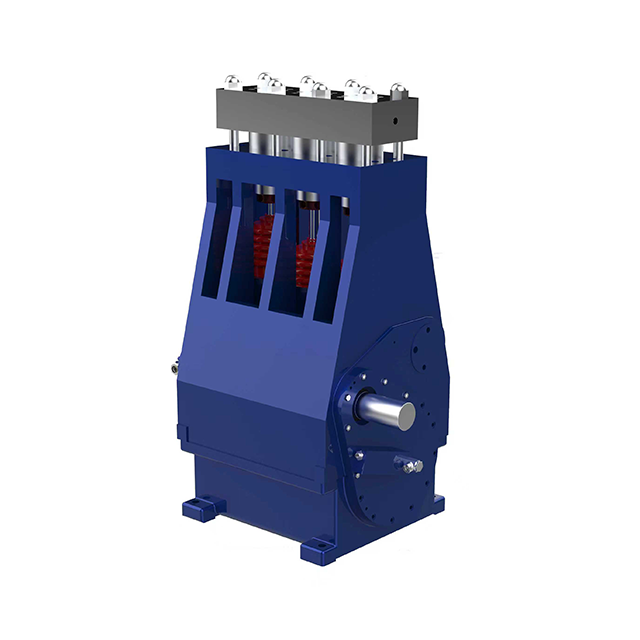
The triplex plunger pump remains the definitive industry standard today. It dominates water jet cleaning for several technical reasons. Three synchronized plungers create remarkably smooth flow. This offset design heavily reduces aggressive system pulsation. You also benefit from exceptional direct-drive mechanical efficiency. When evaluating an industrial high pressure pump, this architecture stands supreme. It delivers reliable power transfer from motor to fluid.
We must clarify the mechanical distinction between plungers and pistons. Pistons move together inside a moving seal block. They rub against the cylinder walls constantly. This creates significant friction and limits maximum operating pressure. Plungers move past stationary seals instead. The seals remain fixed within the stuffing box. This specific design handles extreme pressures brilliantly. It limits friction on the actual moving metal components. You get much longer intervals between major fluid end overhauls. Operators experience far less catastrophic seal failure.
Position direct-drive plunger pumps as your primary choice for cleaning. They utilize a crankshaft to drive the plungers forward. They deliver superior high-flow industrial cleaning efficiency continually. You use intensifier pumps differently in industrial settings. Intensifiers use hydraulic oil to push a large piston. This piston drives a smaller water plunger. Operators typically reserve intensifiers for precision abrasive waterjet cutting. Intensifiers provide ultra-high pressure up to 90,000 PSI easily. However, they struggle delivering the high flow volumes needed for bulk cleaning. Direct drive systems remain unbeatable for volumetric output.
Evaluate your fluid end materials carefully during selection. Standard brass or aluminum bronze works for basic water applications. However, aggressive fluids demand significantly stronger base metals. Duplex or forged stainless steel handles extreme pressures safely. These upgraded materials resist chemical corrosion effectively. They protect your investment during demanding applications. Utilizing a specialized water jet cleaning pumptriplex plunger pump ensures consistent power delivery.
Hydraulic horsepower determines your actual cleaning capabilities in the field. Pressure provides the sheer mechanical force required. It actively breaks stubborn molecular bonds on surfaces. Flow rate provides the necessary flushing action simultaneously. It physically removes detached debris from the work area. You absolutely need both elements to succeed.
High pressure and low flow configurations excel in specific tasks. They usually operate between 10,000 and 40,000 PSI safely. You use these for industrial coating removal and scale eradication. They also dominate precise surface preparation jobs. Medium pressure and high flow setups operate differently. They typically run between 2,000 and 5,000 PSI instead. You use them for pipe cleaning and large sewer jetting. They handle bulk debris removal perfectly every time.
Application Type | Typical Pressure (PSI) | Typical Flow (GPM) | Primary Action |
|---|---|---|---|
Surface Prep & Coating Removal | 20,000 - 40,000 | 4 - 12 | Bond breaking and shearing |
Heat Exchanger Tube Cleaning | 10,000 - 20,000 | 10 - 25 | Scale slicing and moderate flushing |
Sewer Jetting & Pipe Cleaning | 2,000 - 5,000 | 40 - 100+ | Heavy debris flushing and transport |
Concrete Hydro-Demolition | 15,000 - 20,000 | 20 - 40 | Deep material fracturing and removal |
Selecting specific pump pressure and flow rate parameters dictates your prime mover. You must size your motor or engine correctly. Electric motors offer quiet, emission-free indoor operation perfectly. Diesel engines provide unmatched portability for remote outdoor job sites. Higher hydraulic demands require massive prime movers naturally. This scales up your operational energy requirements significantly. Always calculate required horsepower before finalizing your purchase.
Inadequate inlet pressure creates severe operational risks immediately. Poor incoming filtration exacerbates this exact problem. Cavitation occurs when water boils at room temperature inside the pump. Vapor bubbles implode violently against the internal metal surfaces. This action causes catastrophic fluid end failure rapidly. You must establish strict operational boundaries to prevent this.
Set realistic expectations for critical consumable degradation. V-packings wear down predictably during continuous industrial use. Ceramic plungers resist scoring beautifully but can crack under thermal shock. Tungsten carbide plungers handle temperature fluctuations much better. Check valves degrade based entirely on water purity levels. You should always schedule replacements before absolute failure occurs.
Best Practices for Wear Parts:
Monitor crankcase oil levels daily to protect bearings.
Replace all three fluid end packings simultaneously.
Use 10-micron absolute filters for the water inlet.
Evaluate the physical design of the pump frame closely. Maintenance access matters immensely in the field. Can you replace the high-pressure packing easily? You should not have to remove the entire pump from the skid. Look for fluid ends offering quick-access valve covers. This smart engineering saves countless hours of maintenance labor.
Consider all required ancillary system components carefully. Unloader valves redirect flow safely when operator triggers close. Rupture discs protect the entire system from dangerous over-pressurization. Pulsation dampeners smooth out residual fluid vibrations entirely. These essential components guarantee safe and compliant daily operation.
Common Mistakes:
Bypassing inlet water filters to increase suction flow.
Ignoring minor water leaks near the plunger seals.
Failing to winterize the pump during freezing conditions.
Assess the deep engineering expertise of your potential supplier. A top-tier high pressure pump manufacturer provides highly tailored solutions. They adapt specialized fluid ends to your exact needs. They adjust gearbox drive ratios to match your prime mover flawlessly. They select specific seal materials based on your fluid aggressiveness.
Follow these steps to vet a supplier efficiently:
Request detailed engineering drawings of the fluid end.
Ask for case studies involving your specific cleaning application.
Review their standard operating procedures for custom builds.
Verify their inventory logistics and supply chain thoroughly. You cannot wait months for basic replacement spares. An excellent industrial cleaning pump supplier stocks vital items locally. Lead times on critical wear parts require measurement in days. You must keep a local reserve of packings and valves anyway. However, factory support remains crucial for major overhauls.
Look for transparent factory acceptance testing before shipment. Ask for verifiable FAT protocols from the engineering team. Demand legitimate ISO certifications from the manufacturing facility. Request actual performance curves generated from real tests. Do not accept theoretical maximums printed on brochures. You need proven, tested capabilities for industrial applications.
Scrutinize the fine print of equipment warranties closely. Many standard warranties exclude standard wear components entirely. Ensure the supplier offers easily accessible engineering support. You might need help troubleshooting integration issues later. Quick technical support saves jobs and prevents missed deadlines. Look for manufacturers offering direct phone support from actual engineers.
Choosing the right equipment remains a vital strategic alignment. You must match hydraulic capabilities precisely to field requirements. Pressure and flow must align with specific industrial cleaning realities perfectly. A poorly matched pump drains resources through constant maintenance. A correctly specified unit drives daily profitability and operational safety.
Finalize your required flow, pressure, and duty cycle data now. Compile this exact information before requesting any equipment quotes. Present complete operational data to shortlisted manufacturers immediately. Ask them to prove their pump meets your continuous duty requirements. Focus on securing reliable post-sale support to protect your investment.
A: The heavy-duty power frame can last for decades with proper oil changes. However, fluid end wear parts require regular replacement intervals. You typically replace packings and valves every 500 to 2000 hours. This lifespan depends heavily on your incoming water filtration quality. Operating RPM also dictates wear rates significantly. Slower running pumps generally extend seal life dramatically compared to high-speed alternatives.
A: No. You must never let a plunger pump run dry. Plunger pumps rely entirely on the pumped water for cooling. The water also provides essential lubrication for the stationary seals. Running dry causes immediate, severe damage to the high-pressure seals. The ceramic plungers will overheat and crack within seconds. Always ensure a positive suction head before engaging the power source.
A: You can use a standard hydraulic calculation framework easily. Multiply your required flow (GPM) by your target pressure (PSI). Divide that resulting number by 1714 to find your Hydraulic Horsepower. However, pumps operate with some mechanical loss. We advise adding a 15% to 20% mechanical efficiency buffer. This ensures your electric motor or diesel engine handles the maximum load without stalling.
A: We recommend buying off-the-shelf pumps for standard, intermittent washdown applications. They offer quick delivery and lower initial costs. However, you should consult a manufacturer directly for specialized tasks. Extreme continuous pressures, automated jetting systems, or aggressive fluids demand custom engineering. Direct consultation ensures optimal component compatibility. It protects your process from unexpected failures and guarantees safe operation.


