

close
Choose Your Site
Global
Social Media


Views: 0 Author: Site Editor Publish Time: 2026-09-17 Origin: Site


Shipyard operations carry incredibly high financial stakes. Every hour a vessel spends in dry dock drains capital. Coating failures, unexpected vessel downtime, and strict dry-dock penalties quickly erode your project margins. Selecting equipment for steel surface preparation is far more than just buying another tool. You are investing in a critical compliance and efficiency asset. Failing to properly strip heavy marine epoxies or remove microscopic salts invites rapid corrosion and costly warranty claims. By choosing the right high pressure washer for surface preparation, you directly improve project ROI, environmental compliance, and operator safety. This guide breaks down exactly what matters. You will learn how to balance pressure and flow, evaluate pump durability for harsh marine environments, and partner with reliable suppliers. Let us explore how to optimize your cleaning operations and keep your vessels moving.
Pressure vs. Flow: High PSI removes heavy rust and coatings; high GPM (gallons per minute) clears the debris. Balancing both is critical for efficiency.
Compliance Matters: Equipment must consistently achieve industry benchmarks (e.g., NACE No. 5 / SSPC-SP 12 / WJ-1 to WJ-4 standards) to guarantee coating adhesion.
Pump Architecture is the Bottleneck: The durability of ultra-high-pressure pumps dictates maintenance downtime in harsh shipyard environments.
Supplier Support over Upfront Cost: Shortlisting a water blasting machine supplier requires evaluating their spare parts inventory and field-service SLA, not just the sticker price.
Inadequate surface profiling directly causes catastrophic coating failures. When operators fail to remove microscopic chlorides and flash rust, they essentially trap contaminants beneath the new paint layer. This trapped moisture and salt accelerate galvanic corrosion. Within months, the marine coating blisters and fails. Ship owners then demand warranty repairs. These claims easily wipe out the profit margins of an entire maintenance contract. Doing the job right the first time prevents premature corrosion and protects your bottom line.
Dry dock space represents one of the most expensive real estate environments in the industrial world. Shipyards charge massive daily premiums for vessels occupying these slots. Faster preparation times directly reduce these expensive dry-docking days. When you deploy high-efficiency water jetting systems, operators strip hulls much faster than they would using outdated methods. Shaving even two days off a surface preparation schedule saves tens of thousands of dollars. It also frees up dock space for your next lucrative contract.
Modern ultra-high-pressure (UHP) water jetting offers tremendous advantages over traditional abrasive sandblasting. Sandblasting generates massive clouds of airborne particulates. It creates hazardous breathing environments and coats nearby machinery in abrasive dust. Furthermore, you must collect, transport, and dispose of tons of contaminated spent grit. Water blasting eliminates this particulate pollution entirely. It dramatically reduces hazardous waste disposal volumes because operators only need to filter and dispose of the stripped paint chips, not mountains of heavy sand.
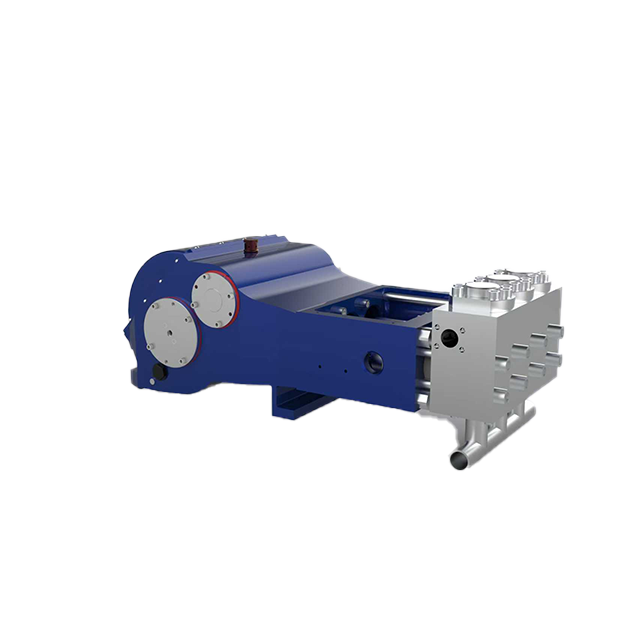
Pressure dictates the type of material you can successfully cut through. Lower pressure ranges, typically between 10,000 and 20,000 PSI, work perfectly for removing loose paint, marine growth, and soft algae. Most standard shipyard cleaning equipment operates in this zone. However, these pressures fail against thick, industrial marine epoxies. To strip multi-layered coatings and expose bare white metal, you need pressures ranging from 30,000 to over 40,000 PSI. This ultra-high-pressure zone turns your equipment into a true paint removal water jet capable of aggressive structural restoration.
Many buyers fixate entirely on pressure and ignore water flow. This mistake severely cripples productivity. High pressure breaks the bond between the paint and the steel, but flow washes the debris away. If you operate a 40,000 PSI pump that only delivers two gallons per minute (GPM), your operators will move at a frustrating crawl. High pressure without adequate water flow results in extremely slow production rates. Balancing a high PSI with a strong GPM ensures the lance clears the stripped material quickly.
Your pump generates the power, but the nozzle applies it. Rotary nozzles spin multiple thin water jets at high speeds. They provide wide coverage and maintain incredible stripping power, making them ideal for large hull surfaces. Fan jets deliver a flat, blade-like spray. They work best for sweeping away loose debris or cleaning softer marine growth. Using the wrong nozzle wastes your pump's potential and slows down the entire project.
Pressure and Flow Application Chart
Application | Recommended Pressure (PSI) | Recommended Flow (GPM) | Nozzle Type |
|---|---|---|---|
Marine Growth & Algae Removal | 10,000 - 15,000 | 10 - 15 | Fan Jet |
Loose Paint & Surface Rust | 15,000 - 25,000 | 8 - 12 | Rotary / Fan |
Heavy Marine Epoxy Stripping | 30,000 - 40,000+ | 5 - 10 | Multi-Jet Rotary |
White Metal Profiling | 40,000+ | 4 - 8 | Specialty UHP Rotary |
Shipyard inspectors do not approve surfaces based on guesswork. They rely on strict international visual and non-visual cleanliness standards. Your equipment must consistently meet benchmarks like NACE No. 5 or SSPC-SP 12. These standards categorize cleanliness from WJ-4 (light cleaning) down to WJ-1 (clean to bare substrate). Upgrading to specialized equipment ensures your crew can reliably hit WJ-1 standards. Meeting these specifications guarantees excellent coating adhesion and satisfies strict marine engineering inspectors.
Water blasting provides a unique chemical advantage over dry abrasive blasting. Steel surfaces feature microscopic pits and valleys. Saltwater environments fill these tiny craters with invisible, soluble salts. When you blast steel with dry sand, you often just hammer these salts deeper into the metal. UHP water jetting actually dissolves and washes away these hidden chlorides. This deep-cleaning mechanism prevents flash rust significantly better than dry abrasives. Clean, salt-free steel provides the perfect foundation for new marine epoxies.
Many contractors hold a dangerous misconception regarding water jetting. They assume UHP water cuts a new physical profile into the steel. It does not. Water jetting simply exposes the original, existing surface profile created during the steel's initial manufacturing or previous sandblasting treatments. You must assess your specific shipyard coating requirements. If the paint manufacturer demands a sharply angular 3-mil profile, and the existing steel beneath the old paint is completely smooth, water alone will not create those microscopic jagged peaks. You must always verify the underlying profile meets the primer's specifications.
Operators generally choose between plunger pumps and intensifier pumps. Plunger pumps utilize a crankshaft mechanism to drive ceramic plungers into water chambers. They offer excellent efficiency and handle continuous, high-flow duty cycles perfectly. Intensifier pumps use hydraulic pressure to amplify water pressure. While intensifiers work well for precision cutting, plunger pumps remain the superior choice for massive, continuous-flow surface preparation. Plunger pumps deliver the sustained kinetic energy required to strip vast expanses of ship hulls day after day.
Shipyards present brutal operating environments. Salty air, constant moisture, and abrasive dirt destroy cheap machinery quickly. When evaluating pumps, carefully inspect the metallurgy. You must demand stainless steel fluid ends. Standard steel will rust internally and shed metallic flakes, which then destroy your high-pressure nozzles. Look for solid ceramic plungers, as they resist wear and heat far better than coated metals. Corrosion-resistant manifolds are absolutely necessary for any equipment operating adjacent to harsh, saltwater environments.
Never treat your industrial cleaning equipment as a maintenance-free appliance. UHP pumps endure extreme mechanical stress. You must factor in routine operational downtime. Packing seals degrade under high friction and require scheduled replacements. Check valves wear out due to microscopic debris in the water supply. Crankcase oil needs regular changes to prevent catastrophic bearing failure. You must build these required maintenance intervals into your project timeline. Proactive maintenance keeps the pump running safely and prevents sudden breakdowns in the middle of a dry-dock contract.
Handling 40,000 PSI water involves severe risks. At these pressures, water easily cuts through safety boots and injects directly into the bloodstream, causing catastrophic injuries. You must mandate strict safety mechanisms. Lances require primary triggers and secondary safety catches. Operators must use dump guns. If an operator drops a dump gun, the valve immediately opens, dropping the system pressure to zero instantly. Never bypass auto-shutoff safety switches. Investing in proper protective armor and rigorous safety protocols is non-negotiable.
High-pressure lances generate massive physical kickback. Holding a 40,000 PSI manual lance feels like wrestling a heavy machine all day. Human operators quickly experience thrust fatigue. As they tire, their sweeping motions become erratic, reducing cleaning quality and increasing accident risks. To maintain productivity and reduce manual fatigue, you should evaluate automated crawlers. These magnetic robotic deck blasters attach directly to the ship's hull. They move steadily, maintaining the perfect standoff distance, while human operators control them safely from the ground via remote control.
UHP pumps demand exceptionally clean water. Unfortunately, shipyard water sources usually contain hard minerals, rust, or biological contaminants. If a microscopic grain of sand enters a 40,000 PSI pump, it acts like a bullet, destroying expensive valves and ceramic plungers instantly. You must detail the necessity of multi-stage inlet water filtration. Run the site water through a 10-micron filter, followed by a 1-micron filter, before it ever reaches the high-pressure pump. Upgrading your filtration system represents the easiest way to prevent premature pump failure.
Do not accept generic marketing brochures. Many suppliers sell pumps designed for cleaning residential concrete and try to pass them off as marine-grade equipment. Demand concrete, application-specific proof. Ask the supplier for case studies or video demonstration data. You need to see their equipment successfully handling heavy ship hulls and thick marine-grade epoxies. If they cannot prove their machine strips industrial maritime coatings at an acceptable speed, look elsewhere.
A heavy-duty rust removal high pressure washer will naturally wear out its consumable parts. Hoses degrade, seals break down, and nozzles eventually lose their edge. When a machine goes down, you lose thousands of dollars per day. You must deeply evaluate the supplier's guaranteed lead time for replacement parts. Do they warehouse spare valves, hoses, and fluid ends in your region? A reliable partner ships critical replacement parts overnight to minimize your downtime.
Buying a UHP system without professional training invites disaster. You should look for suppliers who provide comprehensive on-site commissioning. They need to send a technician to your shipyard to assemble the system, test the water supply, and train your crew. Operators need hands-on instruction regarding daily hose inspections, packing replacement procedures, and emergency shutoff protocols. Proper vendor training ensures safe deployment and drastically extends the lifespan of your investment.
Securing the right equipment for marine surface preparation defines the success of your maintenance contracts. You must carefully match the pump's pressure and flow to the specific marine coatings you intend to strip. Verify the equipment's ability to consistently achieve strict NACE and SSPC compliance capabilities. Always prioritize heavy-duty pump durability and rigorous inlet water filtration to survive brutal shipyard conditions. Finally, vet your supplier's after-sales support thoroughly, ensuring they provide immediate access to spare parts and safety training.
Do not leave your next major dry-dock project to chance. Reach out to a verified industrial supplier today. Request a comprehensive site audit or ask for a live equipment demonstration directly on your toughest steel assets.
A: General cleaning requires 10,000 to 20,000 PSI. However, completely stripping multi-layered marine paint and heavy rust down to bare white metal requires ultra-high-pressure systems. You will need a machine capable of producing between 30,000 and 40,000 PSI to handle tough epoxies efficiently.
A: Yes, exposing bare steel to water and oxygen causes flash rust quickly. However, operators solve this by adding specialized rust inhibitors into the water stream during the final wash. This chemical barrier prevents flash rust long enough for crews to apply the new primer.
A: No. Saltwater causes extreme galvanic corrosion and destroys the internal components of standard high-pressure pumps rapidly. You must absolutely use clean, fresh water. Furthermore, you need high-grade, multi-stage filtration to remove all particulates before the water enters the pump.
A: Water jetting significantly reduces environmental cleanup costs and eliminates hazardous airborne dust. It expertly washes away invisible soluble salts from steel pits. However, unlike sandblasting, water jetting does not cut a new surface profile; it merely exposes the existing profile beneath the old paint.


